When it comes to ensuring compliance for small clinics, the evolving FDA guidance and USP <797> and <795> standards can be complex to navigate. It's essential to ensure you are up to date on regulatory compliance requirements for safety in order to protect your staff, patients, and clinic.
For small clinics, standardized workflows with clearly defined procedures and dependable supply chains are key to maintaining consistency and compliance. This is where Med Lab Supply steps in as a trusted supply partner to help ensure compliance and provide the essential supplies to stay inspection-ready.
We’re going to break down these USP regulations and the supplies your clinic needs to stay compliant and ready for any inspections.
What is the Difference Between USP <795> & <797>?
Both USP <795> and USP <797> chapters address patient safety, focusing on contamination prevention, Beyond-Use Dates (BUDs), and strict, documented state-of-control procedures.
USP <795> (non-sterile compounding): This focuses on good compounding practices for non-sterile preparations to avoid contamination and errors, including medications like topical creams, gels, and oral capsules.
-
Key requirements: It is essential to have proper staff training, a dedicated space such as a segregated compounding area (SCA), and to ensure equipment is regularly cleaned to prevent cross-contamination within pharmaceutical preparations.
USP <797> (sterile compounding): This includes preparation for sterile medications that bypass the body’s natural defenses, such as injectables, IV infusions, and ophthalmic drops. There are mandatory standards to prevent contamination, infection, and incorrect dosing in sterile preparations, ensuring the highest possible level of sterility assurance – minimizing microbial and endotoxin contamination to acceptable USP standards.
-
Key requirements: These preparations require strict sterile environments; they must be performed in an ISO-classified environment. This includes ISO Class 5 primary engineering controls, such as laminar airflow workstations or isolators located within ISO Class 7 buffer areas. These improved documentation practices, contamination control procedures, and high-quality products are required to maintain safety and support excellent patient care.
Since contamination control is especially crucial within USP <797> sterile compounding practices, environmental monitoring beyond surface cleaning is used to ensure the environment remains within acceptable limits. Through viable air and surface sampling, particulate monitoring, and temperature and humidity tracking.
The Importance of Beyond-Use Dates (BUDs)
Within both USP <795> AND <797>, establishing Beyond-Use Dates (BUDs) is crucial for compliance. Within USP <797>, BUD requirements for sterile preparations are more stringent due to the elevated risks of patient harm from microbial contamination. This refers to the date or time after which a compounded preparation should no longer be used, and it is based on stability, sterility risk, and storage conditions. They’re determined by the formulation type, contamination or degradation risk, as well as the compounding environment.
For small clinics and compounding pharmacies, maintaining accurate labeling, documentation, and storage tracking helps ensure these compounded medications remain safe and effective. This is especially important, since improper management often leads to inconsistencies, medication waste, financial loss, and failed inspections.
The Most Common Compliance Mistakes
As a small clinic, your staff members are often balancing multiple tasks at once, including patient care, inventory management, administrative tasks, and regulatory obligations. For many, this can become an operational burden, creating common compliance issues or gaps.
Common mistakes include:
-
Inconsistent PPE Usage:
The improper use of PPE gear or gowning procedures can unintentionally increase risks and introduce particulate matter contamination into controlled environments. This is one of the most common compliance concerns for inspections. It’s important to have standardized protocols when entering sterile compounding areas, ensuring proper sanitation, and avoiding reusing gowns or gloves after touching or being in a non-sterile area.
For proper preparation, especially when it comes to USP <797> strict protocols, when donning PPE gear, workers typically follow instructions starting with shoe covers, hair covers, and masks. Then moving on to washing hands and forearms with soap and water for 30 seconds, and drying before donning a low-lint non-shedding gown and sterile gloves, ensuring they cover the cuff of the gown.
-
Poor Cleaning Documentation:
It is essential to maintain proper records of cleaning logs and environmental monitoring for inspections and audits to demonstrate compliance. While many clinics perform regular cleaning procedures correctly, many fail to maintain sufficient documentation, which is required, including:
-
-
Cleaning schedules
-
Disinfecting procedures
-
Environment monitoring
-
Equipment maintenance activities
-
-
Improper Supply Selection:
This issue typically arises from selecting inappropriate or non-compliant supplies, which can directly compromise your compliance efforts. It is recommended to source high-quality supplies through reputable vendors who can provide documentation, proof of compliance, and quality assurance. This is where standardizing supply selection helps ensure repeatable workflows and reduce variability for consistency and control.
A best practice is to maintain strict Standard Operating Procedures (SOPs) for the selection, storage, and handling of materials or ingredients. As well as appointing a designated person to oversee and verify that all supplies adhere to regulatory requirements.
-
Lack of Workflow Standardization:
For small clinics, this is one of the most common mistakes. To maintain consistency across staff members and shift changes, it is essential to establish standardized practices to avoid inconsistencies, gaps, and procedural confusion.
Clearly defined procedures help to ensure compliance standards are being met by all workers across shifts, helping reduce operational variability and to simplify training and inspection preparation.
-
Supply Chain Disruptions:
In recent years, a trusted supply partner has become a crucial asset to simplifying procurement and reducing operational disruptions. There has been more emphasis than ever on incorporating safety stock into supply chain management to build resilience. This involves shifting from solely relying on just-in-time inventory models to incorporating just-in-case inventory for essential supplies to avoid the vulnerability of shortages that have been highlighted by increasing global supply chain volatility, transportation bottlenecks, trade tensions, and rising tariffs.
This hybrid approach helps you stay prepared for the unexpected and maintain a buffer inventory to keep operations running smoothly and to avoid unexpectedly substituting products.
As your clinic continues to plan and navigate the evolving supply chain landscape, connecting with a trusted supply partner to manage procurement helps ensure shorter lead times and quality assurance for the supplies you source to help maintain compliance.
Essential Supplies to Maintain a Compliant Environment
For clinics, especially under USP <797> regulations, it is critical to maintain consistent sterile environments and documentation practices, as keeping a paper trail is needed for audits, where inspections will review sanitation documentation and cleaning procedures. Even small deviations in your supply chain quality can increase the risk of particulate contamination.
Listed below are the essential supplies your clinic needs to keep compliant:
-
PPE Gear
High-quality personal protective equipment (PPE) is essential as a first line of defense to reduce contamination risk for sterile and non-sterile applications, and to protect personnel. These include:
-
Sterile Gowns:
The use of sterile gowns is required, particularly under USP <797> regulations for sterile preparations and maintaining cleanliness within these ISO-classified environments, helping ensure aseptic processing.
These must be low-lint to reduce fibre shedding and particulates, appropriately sized, and worn in accordance with established garbing procedures.
-
Masks:
The use of masks is strictly required for USP <797> preparations within aseptic ISO-classified environments. They should be worn to cover the mouth and nose to ensure sterility and reduce microbial contamination through respiratory droplets.
They are also commonly used within non-sterile compounding areas to improve sanitation, reduce contamination during preparation, and protect all personnel from exposure to powders or vapors, such as during handling of active pharmaceutical ingredients (APIs).
-
Gloves:
When it comes to USP <797> compounding procedures, sterile, powder-free gloves are a crucial requirement and must be worn correctly by covering the cuff of the gown to create a continuous protective barrier. They should be routinely replaced, even for minor breaches.
MedLab Supply stocks a wide range of gloves, including sterile gloves and nitrile exam gloves, which are commonly preferred for their chemical resistance, durability, tactile sensitivity, and reduced allergy risks for personnel.
-
Disinfecting and Cleaning Supplies
-
Isopropyl Alcohol (70% IPA):
When it comes to sterile cleaning protocols and aseptic processing procedures, isopropyl alcohol is crucial. It is effective against a broad range of bacteria, fungi, and viruses. It is commonly used to:
-
-
Disinfect work surfaces frequently
-
Sanitize gloves
-
Wipe sterile containers
-
It helps ensure maintenance of cleaner preparation environments, and this consistency supports efforts to minimize the risk of contamination in both sterile and non-sterile work tasks.
-
Lint-free Wipes:
These are typically used to reduce fiber shedding during cleaning and disinfecting procedures and minimize particulate contamination risks, including:
-
-
Applying disinfectants
-
Cleaning laminar airflow hoods
-
Wiping sterile containers
-
Surface cleaning
-
-
Compounding and Storage Supplies
-
Sterile Vials:
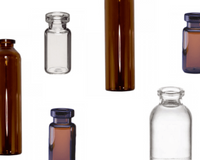
We offer a selection of pre-washed, pre-sterilized glass vials, Ultra Spec and Sealed Sterile Vials, making them ready-to-use (RTU) and ready to fill. This reduces cleanroom space requirements and the need for in-house washing, sterilization, and depyrogenation. These RTU vials help enhance operational efficiency, save costs, reduce preparation time, and minimize contamination risks for your facility.
They are manufactured and assembled in strict ISO Class 5 cleanroom environments to ensure extremely low particulate levels, meeting aseptic processing requirements and preparation demands to preserve sterility and provide precision and reliability.
Our Sealed Sterile glass vials are certified sterile, depyrogenated empty vials manufactured with Type 1 borosilicate glass and pre-assembled with butyl stoppers and colored aluminum seals. These vials are ideal for meeting specific pharmaceutical standards.
-
Containers:
The correct container materials are those that won’t cause a reaction with the contents, cause leaching or absorption, and will shield compounds from contamination, light degradation, and moisture. Container selection depends on the intended application, such as tamper-evident containers, light-resistant amber-tinted containers, sterile vials, ampoules, oral syringes, and ointment jars.
Within USP <797> standards, sterile and depyrogenated containers are preferred. USP Type I borosilicate glass is commonly used due to its superior chemical resistance, durability, and ability to withstand high sterilization temperatures. Additionally, polypropylene is commonly used in many non-sterile pharmaceutical and laboratory applications due to its chemical resistance, durability, and compatibility with a wide range of formulations.
-
Syringes and Needles:
We proudly offer an extensive range of syringes and needles, designed to meet all FDA standards and deliver dependable and consistent results for the specific needs of working professionals
Luer Lock Syringes: The Luer Lock is a go-to for security and critical applications, with a twist-on (threaded) connection that securely locks needles in place, reducing risk of pop-offs. These are commonly used for sterile compounding due to their secure connection during aseptic procedures. Major brands include Nirpo, CarePoint, Excel, and EasyTouch Luer Lock syringes.
Luer Slip (Slip Tip) Syringes: This connection uses a friction-based push-on fit that allows for quick, convenient changes when working quickly with low-pressure applications. These are commonly used for general dispensing tasks and certain non-sterile compounding tasks. Major brands include CarePoint, Nirpo, Excel, and EasyTouch.
Where precise measurements are required in preparing formulations, accurate syringe selection reduces waste and ensures accurate dosing concentrations. Selecting the correct syringe and needle configuration helps maintain dosing accuracy, sterility, and workflow efficiency within compounding environments.
The Importance of Workflow Standardization
To maintain long-term compliance effectively, it’s important to develop a standardization process for operational consistency. For small clinics, inconsistent procedures or multiple vendors may create confusion for staff, particularly surrounding approved materials, inconsistent PPE usage, cleaning protocols, and inefficiencies in daily operations.
By standardizing procedures and supplies within your clinic, you can help:
-
Simplify training for all staff
-
Reduce variability in procedures for improved consistency
-
Ready your clinic for inspection
-
Maintain easily repeatable contamination-control practices to minimize risks further
To stay prepared for USP inspections, your facility should be able to demonstrate that procedures are consistently followed through standardized workflows and properly organized documentation to maintain a compliant workplace.
Your Trusted Supply Partner
We stock a range of high-quality supplies that meet strict standards for your needs and to help mitigate contamination risks in your workflow. Your clinic needs more than basic fulfillment; it needs a trusted supply partner that understands sterile compounding workflows, operational consistency, cleanroom requirements, PPE protocols, and contamination control.
That’s where Med Lab Supply comes in. We’re here to help support a safer environment for your clinic and to streamline your purchasing process with affordable essential supplies. Visit our site to explore our full range today!